
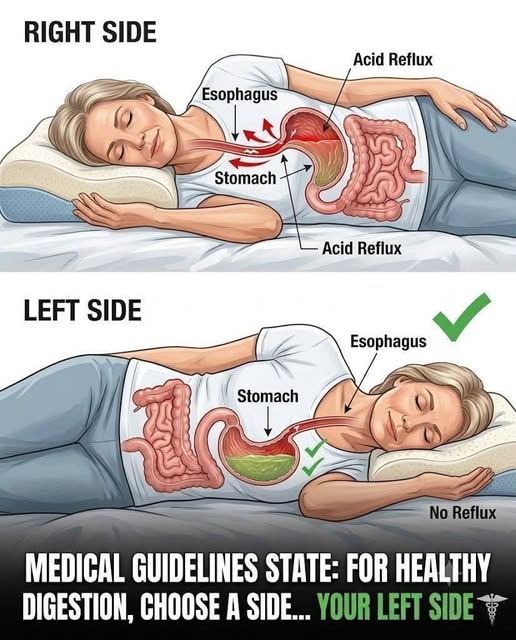
- Acid may stay closer to the opening between the stomach and esophagus.
- Reflux episodes may become more frequent in sensitive individuals.
This does not mean everyone who sleeps on their right side will experience problems. Some people have no symptoms at all.
Other Ways to Reduce Nighttime Acid Reflux
Changing sleeping position is only one possible strategy.
Avoid Eating Too Close to Bedtime
Eating a large meal shortly before lying down can increase the chance of reflux.
Many healthcare professionals recommend allowing several hours between your last meal and bedtime.
Try:
- Eating dinner earlier
- Avoiding heavy late-night snacks
- Choosing smaller evening meals
Elevate the Head of Your Bed
For people with frequent nighttime reflux, raising the upper part of the body may help reduce symptoms.
Using a wedge pillow or elevating the head of the bed can create a more comfortable sleeping angle.
Simply adding extra pillows may not work well because it can bend the body in an uncomfortable position.
Pay Attention to Trigger Foods
Certain foods may worsen reflux symptoms in some people.
Common triggers include:
- Spicy foods
- Fatty meals
- Chocolate
- Coffee
- Alcohol
- Mint
- Acidic foods
Triggers are individual. A food diary can help identify patterns.
Lifestyle Habits That Support Better Digestion
Healthy daily habits may reduce reflux frequency.
Maintain a Healthy Weight
Extra abdominal pressure can contribute to reflux by pushing stomach contents upward.
If weight loss is recommended by a healthcare professional, even gradual changes may improve symptoms.
Avoid Smoking
Smoking can weaken the lower esophageal sphincter and may increase reflux symptoms.
Quitting smoking provides many health benefits beyond digestion.
Wear Comfortable Clothing
Tight clothing around the abdomen may increase pressure on the stomach.
Loose, comfortable clothing may help some people feel better after meals.
Common Mistakes People Make About Acid Reflux
Mistake 1: Believing One Sleeping Position Fixes Everything
Sleeping on your left side may help, but it does not replace medical treatment when needed.
Frequent reflux symptoms should be discussed with a healthcare professional.
Mistake 2: Ignoring Persistent Symptoms
Occasional heartburn is common, but frequent symptoms may need evaluation.
Seek medical advice if you experience:
- Difficulty swallowing
- Unexplained weight loss
- Chest pain
- Vomiting
- Symptoms that regularly disturb sleep
Mistake 3: Lying Down Immediately After Eating
Giving your body time to digest before lying down may reduce discomfort.
What Doctors Recommend About Acid Reflux
Medical organizations recommend combining lifestyle changes with appropriate treatment when necessary.
According to the National Institute of Diabetes and Digestive and Kidney Diseases (NIDDK), lifestyle adjustments may help manage GERD symptoms, including changes related to meals, weight, and habits.
Official information:
https://www.niddk.nih.gov/health-information/digestive-diseases/acid-reflux-ger-gerd-adults
Frequently Asked Questions
Is sleeping on your left side good for acid reflux?
For many people, sleeping on the left side may reduce nighttime reflux symptoms, but it does not work equally for everyone.
Does sleeping on the right side cause reflux?
Some studies suggest the right side may increase reflux episodes in certain people, but individual experiences vary.
How long before bed should I stop eating?
Many experts suggest avoiding meals close to bedtime, especially large meals. Your healthcare provider can give advice based on your situation.
Can changing sleep position cure GERD?
No. Sleep position may reduce symptoms but does not cure GERD.
When should I see a doctor about reflux?
If symptoms happen frequently, affect your sleep, or include warning signs like difficulty swallowing or unexplained weight loss, medical evaluation is recommended.
Final Conclusion
The idea behind sleeping on your left side for acid reflux is supported by research showing that body position can influence how stomach acid moves during sleep. For many people, this simple adjustment may help reduce nighttime discomfort.
However, acid reflux is influenced by many factors, including diet, lifestyle, weight, and overall health. The best approach combines smart habits, awareness of personal triggers, and professional medical advice when symptoms continue.
A small change in your sleeping position may help you rest more comfortably — but listening to your body and understanding your symptoms remains the most important step.