Why Is There a Notch in My Cake Fork?

Yeah, those little dainty forks you only seem to notice at weddings—or anytime someone decides to serve cake on real plates rather than paper ones. Ever take a close look? And wonder why one of the tines is all funny-looking? Like there’s a little notch or groove carved out of the left-side tine? It almost looks like a manufacturing defect, like some factory machine skipped a step in creating the fork. But… not. It’s on purpose—and honestly, kind of clever.

The thing is, most of us just go ahead and jam a fork into cake and do our thing. But the cake fork is apparently an actual utensil with some odd idea behind what it does—or at least how it looks. That notch? It’s on the far-left tine, but it’s not there to balance out the fork. It’s to help you cut your cake—in case you didn’t know. Like, you don’t even need a knife. One-handed cake control. I guess you could call it a tool, not just a utensil. Or both.

So, the left-side tine of the fork is usually a bit bulkier than the others—and that little notch acts as a pressure guide. The idea is you press the fork’s side into your slice of cake, and that notch gives you guidance for your cut as you press down. It’s not aggressive like a serrated knife or anything, but it will allow you to slice through soft layers—frosting, sponge, even that slightly-too-dense bottom of a store-bought sheet cake—without just mangling everything. In essence: cleaner cuts, fewer crumbs, less sad frosting smears.

Read more

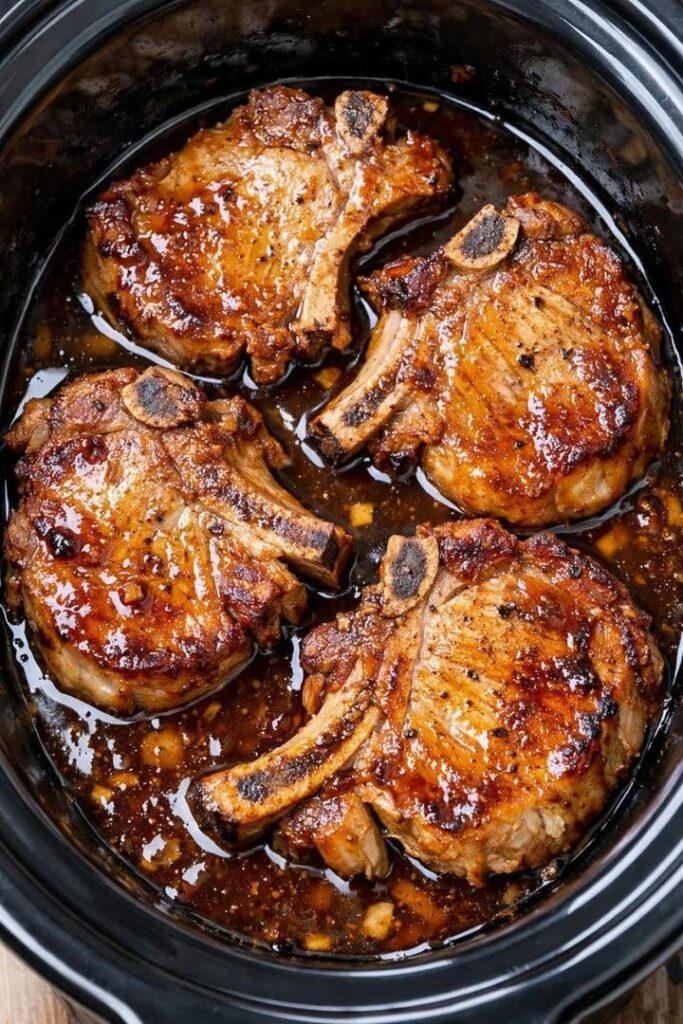
Slow Cooker 3-Ingredient Brown Ale Pork Chops

These Brown Ale Pork Chops deliver deep, malty flavor with just three simple ingredients: bone-in pork chops, brown ale, and onion soup mix. Slow-simmered until fork-tender in a rich, savory gravy, they’re perfect over mashed potatoes, egg noodles, or buttered rice.
Inspired by pub-style comfort food—but made effortlessly in your slow cooker—this dish proves that bold flavor doesn’t require a long ingredient list.
Why You’ll Love This Recipe
🍻 Only 3 ingredients—pantry & fridge staples!
⏱️ 10 minutes prep, then walk away
💛 One slow cooker = easy cleanup
💸 Costs under $10—feeds 4 generously
🌾 Naturally nut-free & gluten-free (use GF beer & soup)
Ingredients You’ll Need
(6-quart slow cooker)
4 bone-in pork chops (about 1 inch thick)
12 oz (1 bottle) brown ale (like Newcastle, Samuel Smith’s, or any malty amber/brown ale)
1 (1 oz) packet dry onion soup mix (like Lipton)
💡 Pro Tips:Use bone-in chops—they stay juicier during long cooks.Pat chops dry before placing in slow cooker—helps them hold shape.Don’t stir after layering—keeps the sauce concentrated and chops intact.
Step-by-Step Instructions (Tender, Saucy, Foolproof)

For Complete Cooking STEPS Please Head On Over To Next Page Or Open button (>) and don’t forget to SHARE with your Facebook friends

Read more

This natural and effective remedy for relieving constipation

1/9 What is constipation?

Constipation is a digestive disorder characterized by difficulty passing stools. It can become so severe that going to the toilet becomes very difficult, even painful.
© Shutterstock

2/9 It happens to everyone

Whether occasional or chronic, constipation is a disorder that many people are familiar with, particularly women and the elderly.
© Shutterstock

3/9 What are its symptoms?

Continue on the next page:

Read more

Baked Crab Legs in Butter Sauce

Baked Crab Legs in Butter Sauce (Keto) Recipe
Story Behind the Recipe
Imagine a cozy coastal evening, the sun setting over the horizon, and the aroma of fresh seafood wafting through the air. This Baked Crab Legs in Butter Sauce recipe is inspired by the simplicity and elegance of coastal living. It’s a dish that celebrates the rich flavors of the sea, enhanced by the indulgent touch of butter and the zing of fresh herbs and spices. Perfect for a special dinner or a simple weekday meal, this keto-friendly recipe allows you to enjoy the luxurious taste of crab without the guilt. Whether you’re hosting guests or treating yourself to a gourmet experience at home, this dish brings the ocean to your table, complete with all the flavors of a seaside getaway.


Key Considerations and Tips
Freshness is Key: Always choose the freshest crab legs possible. Fresh crab legs will have a sweet, ocean-like scent, and the shells should be firm and intact. If fresh is not available, frozen crab legs are a great alternative.
Proper Thawing: If using frozen crab legs, thaw them in the refrigerator overnight or under cold running water. Avoid thawing at room temperature as it can affect the texture and taste.
Don’t Overcook: Crab legs are already cooked when purchased, so they only need to be reheated. Overcooking can make them tough and rubbery.
Butter Quality: Use high-quality, unsalted butter for the sauce. Unsalted butter allows you to control the saltiness of the dish better.
Adjust to Taste: Feel free to adjust the seasoning, herbs, and spices to your preference. Fresh parsley, lemon zest, or a dash of chili flakes can add a delightful twist.
Ingredients
2 pounds of king crab legs
1 cup unsalted butter
4 cloves garlic, minced
1 tablespoon fresh lemon juice
1 teaspoon paprika
1 teaspoon dried parsley or 1 tablespoon fresh parsley, chopped
Salt and pepper to taste
Lemon wedges, for serving

Instructions

For Complete Cooking STEPS Please Head On Over To Next Page Or Open button (>) and don’t forget to SHARE with your Facebook friends

Read more

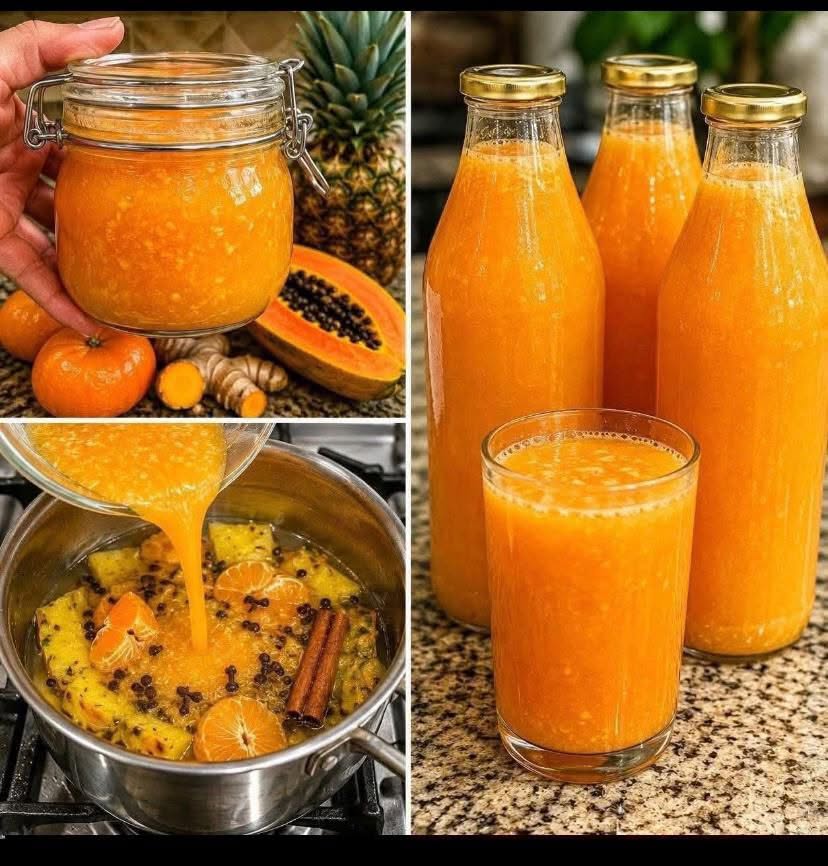
Tropical Pineapple, Papaya, and Ginger Immunity Drink

If you are looking for a refreshing homemade  drink packed with tropical flavor, this pineapple, papaya, ginger, and citrus blend is a perfect choice. Made with natural ingredients and warm spices, this vibrant  beverage is loved for its delicious taste and comforting aroma. Whether served chilled on a hot afternoon or enjoyed warm during cooler days, this fruity drink brings together sweetness, spice, and freshness in every sip.

Sampling Specialty Craft Beverages

This recipe combines juicy pineapple, ripe papaya, mandarin oranges, ginger, cloves, and cinnamon to create a naturally flavorful drink that is easy to prepare at home. The result is a bright orange beverage with a smooth texture and a rich tropical taste.

Why This Tropical  Drink Is So Popular

Homemade fruit drinks have become increasingly popular because they are simple to make and allow people to enjoy natural ingredients without artificial flavors or preservatives. This recipe stands out thanks to its unique mix of tropical fruits and warming spices.

Pineapple adds sweetness and a refreshing tangy flavor, while papaya contributes a smooth texture and subtle tropical notes. Fresh ginger brings warmth and spice, creating a balanced drink that feels comforting and energizing at the same time.

Commissioning Custom Graphic Artwork

The addition of cinnamon sticks and cloves gives the beverage a deeper aroma that makes it especially enjoyable during colder seasons. Mandarin oranges provide extra citrus flavor and brighten the entire recipe.

Ingredients for Pineapple Papaya Ginger Drink

To make this delicious homemade tropical drink, you will need:

  • 1 medium ripe papaya
  • 1 fresh pineapple
  • 4 mandarin oranges
  • 1 piece fresh ginger
  • 1 cinnamon stick
  • 1 teaspoon whole cloves
  • 4 cups water
  • Honey or natural sweetener (optional)

Using ripe fruit is important because it naturally enhances the sweetness and flavor of the drink.

Read more

What Do the Lines on Bath Towels Really Mean?

  • What Do the Lines on Bath Towels Really Mean? The Surprisingly Clever Design Most People Never Notice

Take a close look at almost any bath towel in your home, and you’ll probably notice one or more horizontal bands woven into the fabric. Some towels have a single decorative stripe near each end, while others feature several raised or flat lines across the towel. Most people assume they’re simply there to make the towel look more stylish. While appearance is certainly part of the story, those woven lines actually serve several practical purposes that most people never realize.

For decades, towel manufacturers have used these bands as part of the towel’s engineering. They aren’t random decorations, and they aren’t leftover marks from the manufacturing process. Instead, they’re carefully designed sections that improve durability, maintain the towel’s shape, and even help it perform better over years of washing and drying.

Understanding what these lines do offers an interesting glimpse into how something as ordinary as a bath towel is carefully designed for everyday use. It also explains why high-quality towels often feature these bands while cheaper towels may not.

The Decorative Border Isn’t Just Decoration

The most recognizable lines are known in the textile industry as dobby borders. They’re created using a specialized weaving technique that produces a flatter, tighter section of fabric compared with the plush loops that make up the rest of the towel.

At first glance, the border simply adds a clean, elegant appearance. Hotels, luxury brands, and premium home collections often use decorative borders to create a more polished look.

But the design serves a much bigger purpose than aesthetics.

Helping the Towel Keep Its Shape

One of the biggest jobs of the woven border is structural support.

Every time you wash a towel, thousands of cotton fibers absorb water, expand, shrink, twist, and dry again. Over months or years, this constant cycle places stress on the fabric.

The denser woven bands help stabilize the towel, reducing distortion and helping it stay rectangular instead of stretching unevenly over time.

This reinforcement is especially useful for larger bath towels, which carry more weight when soaked with water.

Reducing Curling at the Ends

Without reinforced borders, towel edges would be much more likely to curl, wrinkle, or become misshapen after repeated washing.

The woven bands distribute tension across the fabric, helping the towel lie flatter after drying.

That’s one reason quality towels often continue looking neat even after years of regular use.

Protecting Against Fraying

The borders also strengthen areas that experience the greatest wear.

When towels are folded, hung, pulled from shelves, tossed into washing machines, and handled every day, the edges absorb much of the stress.

The tightly woven sections help reduce loose threads and slow down fraying, extending the towel’s lifespan.

The simple woven bands most people ignore are actually one of the reasons a good towel can last for years without losing its shape.

continued on the next page’

Read more

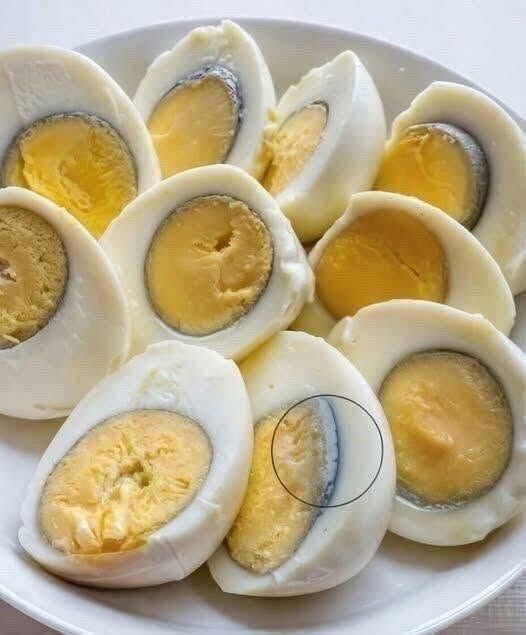
If your eggs have a green ring around the yolk, it means that..

A green or gray ring around the yolk of a hard-boiled egg is a very common and harmless result of overcooking. It does not mean the egg has gone bad or that it is unsafe to eat. Instead, the discoloration appears because of a natural chemical reaction that takes place when eggs are exposed to heat for too long.

Inside the egg, sulfur compounds in the white react with iron in the yolk when the temperature becomes too high or the cooking time is too long. This reaction creates iron sulfide, which forms the greenish or grayish layer around the yolk.

This usually happens when eggs are cooked at a strong rolling boil instead of a gentler simmer. The intense heat causes the proteins in the egg white to break down more than necessary, releasing sulfur gases. Those gases move toward the yolk, where they combine with the iron and create the discolored ring. Although it may not look very appealing, it does not change the egg’s safety and does not make it harmful to eat.

🔥 Continue Reading 👇 Next Page

Read more

Smoked BBQ Beef Back Ribs


Smoked BBQ Beef Back Ribs


Ingredients:

3–4 pounds beef back ribs

2 tablespoons yellow mustard

2 tablespoons olive oil

For the Dry Rub:

2 tablespoons brown sugar


1 tablespoon paprika

1 tablespoon garlic powder

1 tablespoon onion powder

1 teaspoon black pepper

1 teaspoon salt

1 teaspoon chili powder


1/2 teaspoon cayenne pepper (optional)

For the BBQ Glaze:


1 cup BBQ sauce

2 tablespoons honey

1 tablespoon apple cider vinegar


Instructions:

Read more

90% of people get this wrong at the grocery store. Which one is cilantro?

e can’t talk about cilantro without mentioning one of the funniest mysteries in human genetics. Have you ever cooked a beautiful meal with cilantro for a friend, only for them to look at you in horror and say, “This tastes like dish soap”?

Anatomy
They aren’t just being picky! Scientists discovered that some people possess a specific olfactory receptor gene called OR6A2. This gene makes them highly sensitive to chemical compounds called aldehydes, which are found in both cilantro and—you guessed it—soap. So, if cilantro tastes like laundry detergent to you, blame your DNA! Parsley, on the other hand, is a crowd-pleaser and never gets accused of tasting like cleaning supplies.


For Complete Cooking STEPS Please Head On Over To Next Page Or Open button (>) and don’t forget to SHARE with your Facebook friends

Read more

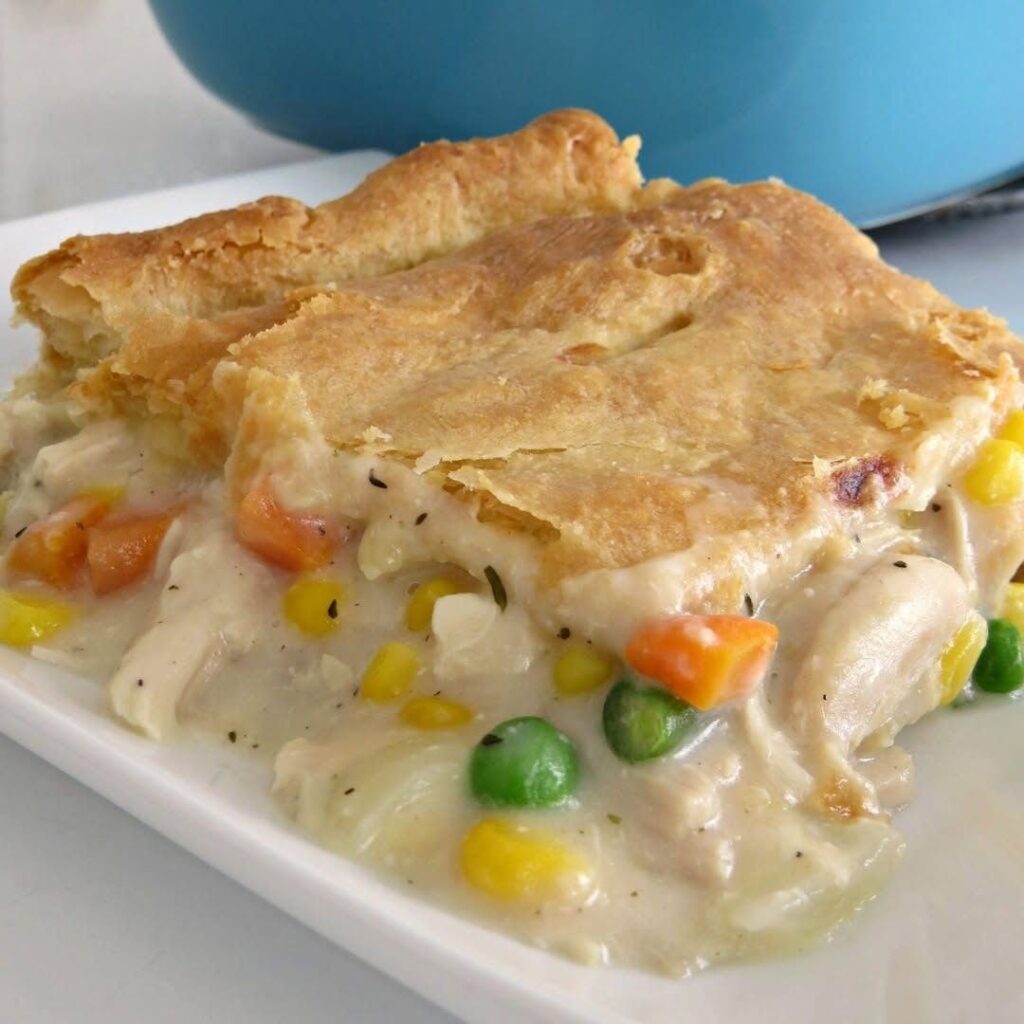
Chicken Pot Pie Casserole

This cozy Chicken Pot Pie Casserole has everything you love about classic pot pie—tender chicken, creamy sauce, colorful vegetables, and a flaky golden crust—all baked together in one comforting dish.


🧾 Ingredients
Chicken Filling
1 rotisserie chicken, deboned and cut into bite-size pieces
1 medium onion, chopped
2 tablespoons vegetable oil
½ cup all-purpose flour
½ teaspoon salt
¼ teaspoon black pepper
1 teaspoon dried rosemary
1 teaspoon dried thyme
3 cups chicken broth
1 cup whole milk
2 cups frozen mixed vegetables, thawed
1 refrigerated pie crust or puff pastry sheet
👩‍🍳 Full Recipe


For Complete Cooking STEPS Please Head On Over To Next Page Or Open button (>) and don’t forget to SHARE with your Facebook friends

Read more