
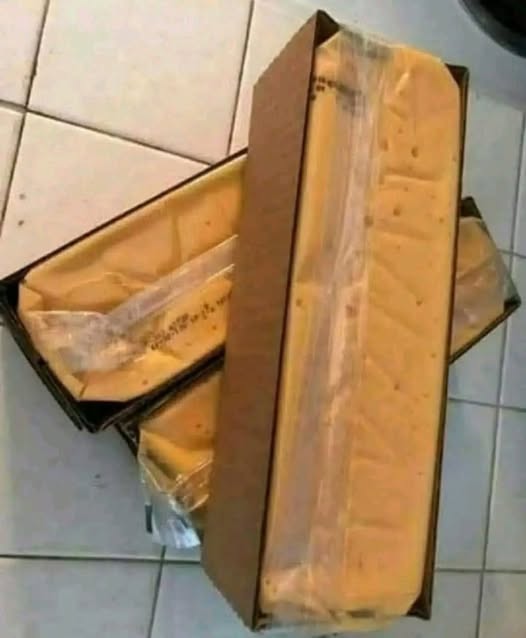
5. Do Not Freeze Every Type of Cheese
Freezing can extend storage time, but it may change the texture of some cheeses.
Freezing works better for:
- Hard cheeses
- Grated cheese
- Cheese used later in cooking
Soft cheeses may become less creamy after freezing.
Common Cheese Storage Mistakes
Keeping Cheese Uncovered
Leaving cheese exposed in the refrigerator causes it to dry out quickly.
Using the Wrong Container
A completely airtight container may trap too much moisture, depending on the cheese type.
Storing Cheese Near Strong-Smelling Foods
Cheese can absorb surrounding odors, affecting its taste.
Cutting Off Mold Without Understanding the Cheese Type
Some cheeses naturally contain mold, while others should be discarded when mold appears.
When unsure, it is safer to follow food safety recommendations.
How Long Does Cheese Last?
The storage time depends on the type of cheese.
Hard Cheeses
Examples:
- Parmesan
- Aged cheddar
Usually last longer because they contain less moisture.
Soft Cheeses
Examples:
- Brie
- Fresh cheeses
Typically have a shorter storage life and require more careful handling.
Fresh Cheese
Examples:
- Mozzarella
- Cottage cheese
Should usually be consumed sooner after opening.
Always check the package instructions and look for changes in smell, texture, or appearance.
Tips to Keep Cheese Fresh Longer
Buy Only What You Need
Buying smaller amounts can help reduce waste, especially for cheeses you do not use often.
Use Clean Tools
Always use clean knives and surfaces when cutting cheese.
Label Opened Packages
Adding the opening date can help you remember how long cheese has been stored.
Store Cheese in the Right Refrigerator Area
A stable refrigerator section is usually better than areas exposed to frequent temperature changes.
Frequently Asked Questions
What is the best way to store cheese?
The best method depends on the cheese type, but wrapping cheese properly and keeping it refrigerated are key steps.
Can cheese be stored in plastic wrap?
Short-term storage in plastic wrap is common, but cheese paper or parchment paper may be better for longer storage.
Should cheese be frozen?
Some cheeses freeze well, especially hard cheeses, but freezing can change the texture of softer varieties.
Why does my cheese smell different after storage?
Cheese can absorb odors from other foods or naturally develop stronger aromas as it ages.
Can I eat cheese after the best-before date?
It depends on the cheese type and how it was stored. Always check for signs of spoilage before eating.

Conclusion
Knowing how to store cheese properly can help you enjoy better flavor, reduce waste, and keep your favorite dairy products fresh for longer.
Simple habits like using the right wrapping, maintaining proper refrigeration, and storing different cheeses separately can make a big difference.
With the right storage method, your cheese can stay delicious and ready for your next meal, snack, or recipe.