
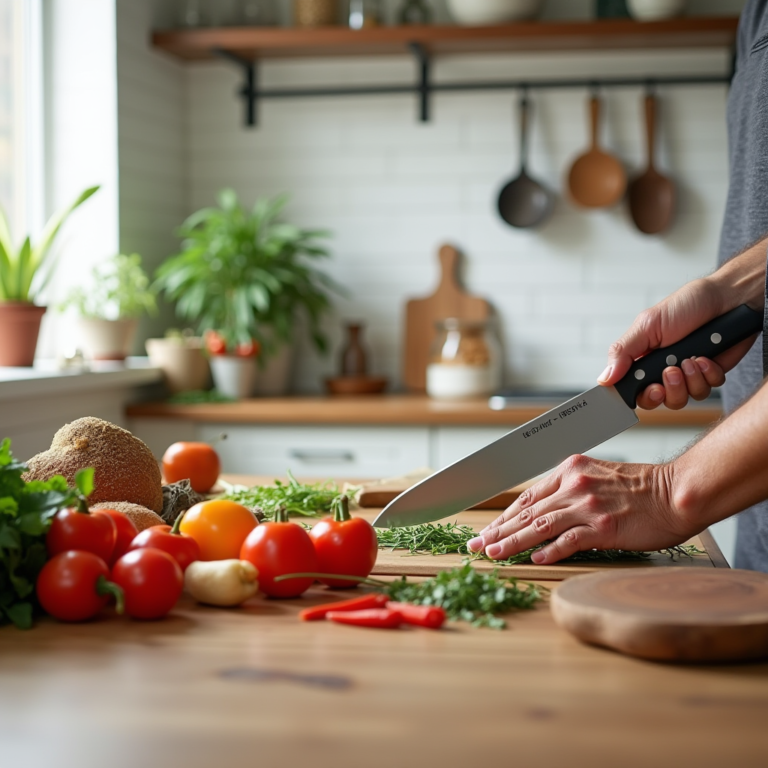
10 Cooking Mistakes Everyone Makes (And How to Fix Them)
Introduction
Cooking at home can be enjoyable, relaxing, and incredibly rewarding. Whether you’re preparing a quick dinner after a long day or cooking a special meal for family and friends, homemade food always feels more satisfying.
However, even experienced home cooks often make small mistakes in the kitchen without realizing it. These mistakes might seem minor, but they can affect the flavor, texture, and overall quality of your dishes.
The good news is that most cooking mistakes are easy to fix once you know what to look for. By understanding these common errors and learning a few simple techniques, you can instantly improve your cooking and make every meal taste better.
Here are 10 common cooking mistakes many people make — and simple ways to avoid them.
1. Not Preheating the Oven
One of the most common mistakes in cooking and baking is putting food into the oven before it has fully preheated.
When the oven isn’t hot enough, food cooks unevenly. Cakes may not rise properly, cookies may spread too much, and roasted dishes may lose their crispy texture.
How to fix it
Always allow your oven to fully preheat before placing food inside. Most ovens take about 10 to 15 minutes to reach the desired temperature. Waiting a few extra minutes can make a huge difference in your results.
2. Overcrowding the Pan
When cooking meat or vegetables in a pan, many people add too much food at once.
When the pan is overcrowded, food releases moisture and starts steaming instead of browning. This prevents the delicious caramelized flavor that makes dishes taste better.
How to fix it
Cook in smaller batches and leave enough space between ingredients so heat can circulate properly.
This simple trick helps create that beautiful golden-brown color chefs love.

3. Not Seasoning Food Properly
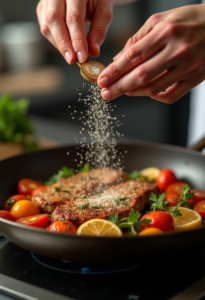
Many home cooks are afraid of using too much salt or seasoning. As a result, their food tastes bland.
Seasoning is essential because it enhances the natural flavor of ingredients.
How to fix it
Season your food in layers while cooking instead of adding everything at the end. Taste the dish during the process and adjust the seasoning gradually.
Salt, pepper, herbs, garlic, and spices can completely transform a dish.
4. Cooking Pasta in Too Little Water
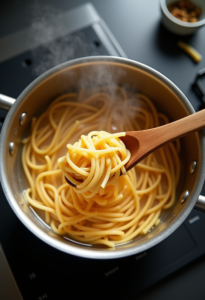
Pasta needs space to cook properly. When cooked in a small pot with little water, the pasta becomes sticky and uneven.
How to fix it
Use a large pot with plenty of water and bring it to a full boil before adding pasta.
A good rule is:
-
1 liter of water for every 100 grams of pasta
This helps pasta cook evenly and prevents sticking.
5. Adding Garlic Too Early
Garlic cooks very quickly. If it is added too early when sautéing ingredients, it can burn easily.
Burned garlic tastes bitter and can ruin an entire dish.
How to fix it
Add garlic after onions or vegetables have started cooking. Let it cook briefly for about 30 seconds to release its aroma without burning.
6. Cutting Meat Immediately After Cooking
Many people slice meat right after removing it from the pan or oven.
The problem is that the juices inside the meat haven’t had time to redistribute yet. When cut too soon, the juices run out and the meat becomes dry.
How to fix it
Let meat rest for 5 to 10 minutes before cutting it.
This allows the juices to stay inside the meat, keeping it tender and flavorful.
7. Using Dull Knives
A dull knife is not only inefficient but also dangerous. When knives are not sharp, they require more pressure and increase the risk of slipping.
Sharp knives make cutting easier, faster, and safer.
How to fix it
Sharpen your knives regularly using a sharpening stone or a knife sharpener. Even professional chefs sharpen their knives frequently to maintain precision.
Simple Kitchen Tricks Professional Chefs Use at Home
8. Washing Mushrooms Under Running Water
Mushrooms act like sponges and quickly absorb water. Washing them under running water can make them soggy and affect their texture when cooked.
How to fix it
Instead of washing them, gently clean mushrooms with:
-
a damp paper towel
-
a soft brush
This keeps their texture firm and perfect for cooking.
9. Not Reading the Recipe First
It might sound simple, but many people start cooking without fully reading the recipe.
Halfway through cooking, they suddenly realize they are missing an ingredient or misunderstood a step.
How to fix it
Before starting, take a minute to read the entire recipe from beginning to end. Prepare all the ingredients first — a technique known as mise en place used by professional chefs.
This saves time and reduces mistakes.
Learning proper cooking techniques can greatly improve your meals. According to professional kitchen practices explained by Le Cordon Bleu, mastering basic skills is essential for better cooking results.
10. Using Cold Ingredients in Baking
When baking cakes or cookies, ingredients like butter, eggs, and milk often need to be at room temperature.
Cold ingredients do not mix well and can affect the texture of baked goods.
How to fix it
Take ingredients out of the refrigerator about 30 minutes before baking. This allows them to blend smoothly and produce better results.
Why Learning Cooking Mistakes Improves Your Skills
Cooking is not just about following recipes. It’s about understanding how ingredients behave and learning from small mistakes.
When you recognize these common cooking errors, you begin to cook with more confidence. Over time, your meals will taste better, look more appealing, and become easier to prepare.
Even professional chefs constantly refine their techniques by paying attention to details in the kitchen.
Final Thoughts
Everyone makes mistakes in the kitchen — even experienced cooks. The key is to learn from them and improve your techniques step by step.
By avoiding these 10 common cooking mistakes, you can instantly upgrade your cooking skills and create more delicious meals at home.
The next time you cook, try applying these simple tips. Small changes can make a big difference in flavor, texture, and presentation.
Cooking is a skill that improves with practice, patience, and curiosity. Keep experimenting, keep learning, and most importantly — enjoy the process.