
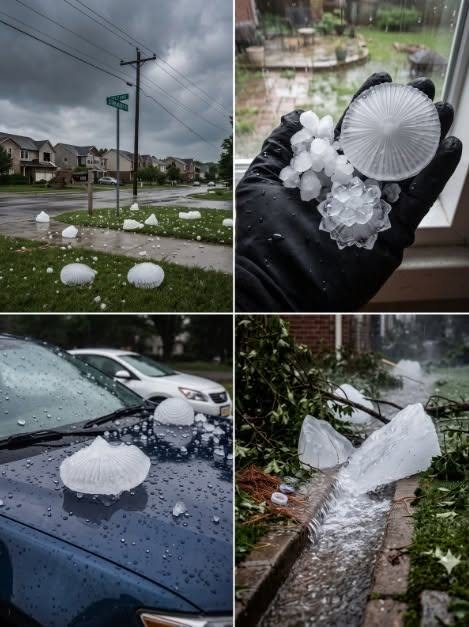
Hail Storm Damage: Causes, Risks and How to Protect Your Property
Introduction
A powerful storm can arrive suddenly and create unexpected damage within minutes. Among the most damaging weather events is a hail storm, where pieces of ice fall from the sky and can affect vehicles, roofs, gardens, and outdoor spaces.
Understanding hail storm damage can help homeowners and drivers prepare better, reduce risks, and know what steps to take after a severe storm.
Large hailstones can vary in size, and stronger storms may create enough impact to damage property. Knowing the warning signs and safety measures can make a big difference.
What Is a Hail Storm?
A hail storm happens when strong storm clouds create ice particles that grow larger before falling to the ground.
Inside powerful thunderstorms, water droplets can freeze and build layers of ice. When the hailstones become too heavy for the storm clouds to support, they fall toward the surface.
Hail can appear as:
- Small ice pellets
- Large round ice stones
- Irregular pieces of frozen water
-
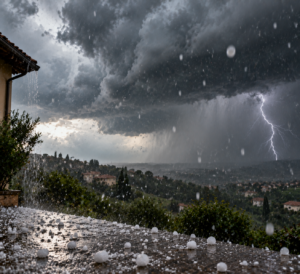
Strong thunderstorms can produce hail and severe weather conditions.
The size and speed of hailstones influence the level of possible damage.
What Causes Hail Storm Damage?
Several factors determine how much damage a hail storm can cause.
1. Size of Hailstones
Larger hailstones create stronger impacts.
Small hail may only cause minor problems, while larger stones can affect:
- Car surfaces
- Windows
- Roof materials
- Outdoor furniture
2. Wind Speed During the Storm
Strong winds can increase the force of falling hail.
Wind can also move hail sideways, causing damage to different areas of a property.
3. Duration of the Storm
A short hail shower may cause little impact, but longer storms can create more serious problems.