
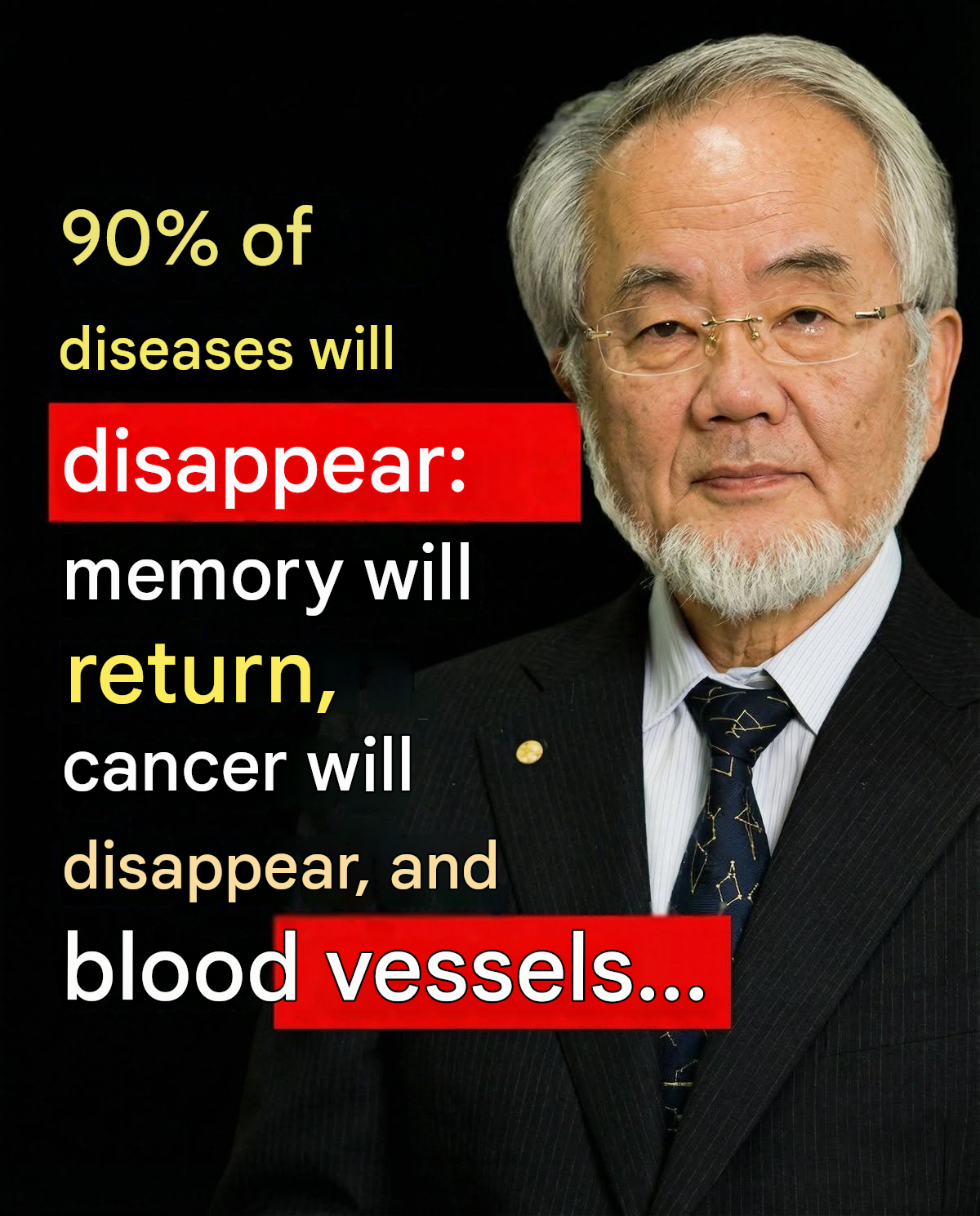
Did you know that your body has an extraordinary built-in system capable of self-healing, maintaining a healthy weight, and even protecting against diseases like cancer? This article explores simple yet powerful daily habits, inspired by five legendary Japanese scientists who revolutionized our understanding of health and longevity.
Autophagy: The Body’s Natural Cleansing System
Autophagy is your body’s natural recycling system, a built-in detoxification process that keeps your cells clean and efficient. Think of it as cellular housekeeping: your body breaks down and eliminates damaged parts, making way for stronger, healthier cells.
Nobel Prize-winning scientist Dr. Yoshinori Ohsumi discovered that autophagy becomes especially active during periods of fasting or stress, helping your body repair itself, maintain a healthy weight, and reduce the risk of diseases like cancer. As he emphasized in his lecture, “Without autophagy, our cells cannot survive.” This process is essential for maintaining your body’s balance, energy, and resilience.
Since this groundbreaking discovery, countless scientists have expanded research into the practical applications of autophagy, now widely recognized as being linked to aging, cancer prevention, neurodegenerative diseases, and immunity.
Three Japanese Tips for Activating Autophagy Daily
Tip 1: Intermittent Fasting
One of the most effective methods for triggering autophagy is intermittent fasting, a practice deeply rooted in traditional Japanese lifestyles for generations. It simply involves creating a daily window during which you don’t eat, allowing your body to transition from digestion to deep cellular repair.
Many Japanese researchers, inspired by Dr. Ohsumi’s work, advocate a natural fasting period of 12 to 16 hours, a rhythm that aligns with how older generations in Japan naturally eat. Many elderly Japanese people intuitively skip meals or maintain long intervals between dinner and breakfast, unconsciously supporting their bodies’ built-in cleansing and renewal processes.
Dr. Takayuki Teruya, a Japanese researcher specializing in the metabolic effects of fasting, has demonstrated that this practice is not solely about weight loss. Her research reveals three major findings:
Metabolic activation: Fasting stimulates various metabolic pathways, increasing the production of metabolites involved in energy production and antioxidant defense.
Antioxidant generation: Fasting raises antioxidant levels, which help neutralize harmful free radicals in the body, enhancing natural antioxidant capacity.
Potential anti-aging effects: By activating specific metabolic reactions, fasting could play a role in mitigating some effects of aging and supporting cellular repair mechanisms.
Second tip: Practice Hara Hachi Bu
Hara Hachi Bu is a traditional Japanese practice that means “stop eating when you are 80% full.” Rooted in Okinawan culture and supported by longevity studies, this principle encourages mindful eating and calorie restriction without malnutrition, allowing the body to enter a cellular cleansing mode.
Dr. Shigeaki Hinohara, one of Japan’s most respected physicians and longevity experts, lived by this philosophy until the age of 105. He worked his entire life, believing that staying engaged and never fully retiring keeps the mind and body young. His approach to diet was simple: eat light, avoid excess sugar and processed foods, and follow the Hara Hachi Bu (a Japanese philosophy of healthy eating).
Dr. Hinohara also advocated staying active, taking the stairs instead of elevators, and walking daily to maintain vitality. While he respected medicine, he cautioned against excessive reliance on doctors, instead promoting preventative care, a positive mindset, and personal responsibility for one’s own health. He emphasized the importance of lifelong learning, curiosity, and enjoyment, often saying that enjoying life was the best way to forget pain. Third tip: Foods to prioritize
Dr. Yumi Ishihara, personal physician to the Japanese Prime Minister and director of the Ishihara Clinic in Tokyo, advocates modified fasting as a powerful tool for health. Her regimen includes a liquid breakfast of freshly squeezed carrot or apple juice, skipping lunch in favor of black tea with black sugar and ginger, and consuming one solid meal per day. This approach creates long fasting windows that naturally support cellular rejuvenation and autophagy.
Dr. Ishihara often points out that most people overeat today and emphasizes the importance of Hara Hachi Bu (modified fasting) to promote longevity and prevent overeating.
Juices to break the fast: Carrot juice is excellent for skin and eye health and liver detoxification, while also having an alkalizing effect on the stomach. Apple juice, rich in antioxidants like quercetin, restores electrolytes and supports gut health thanks to its natural pectin. These juices are gentle on the digestive system and provide quick nutrition without overloading your body.
To avoid blood sugar spikes, it’s best to drink a small amount first (about half a glass) and wait 10 to 20 minutes before eating solid food. Pairing your juice with a handful of nuts or a spoonful of olive oil can help slow sugar absorption and keep your energy levels balanced.
Black tea with ginger and black sugar: This combination is warming, nutritious, and offers multiple health benefits. Black tea is rich in antioxidants that support heart health and metabolism, while black sugar (muscovado) is a natural alternative to refined sugar, providing minerals like iron, calcium, and potassium. Ginger adds powerful anti-inflammatory properties, aids digestion, improves circulation, and boosts immunity.
The traditional Japanese diet
According to these researchers’ advice, it’s important to limit the number of solid meals you consume each day, ideally to one or two. The focus should be on a whole-food, plant-based diet. A traditional Japanese diet rich in vegetables, seaweed, fermented foods, fish, and legumes, natto, and miso, combined with whole grains like brown rice and barley, provides the nutrients your body needs to thrive while supporting autophagy.
Dr. Hiromi Shinya, a renowned Japanese-American gastroenterologist, promoted a diet rich in enzymes, fresh fruits and vegetables, and low in meat to maintain a healthy gut and prevent unnecessary metabolic stress. His “Shinya Biozyme” theory advocates a plant-based diet that complements autophagy by supporting digestive health and reducing inflammation.
Dr. Shinya also believed in incorporating fasting into daily life. He introduced the concept of the “Shinya Mini Fast,” a 16-hour fasting period where you eat dinner early and breakfast late the next day. This practice gives your digestive system time to rest and supports internal cleansing, which aligns with autophagy.
Dr. Shinya also emphasized the importance of hydration for metabolism and overall health. He recommended starting the day with a few glasses of clean water on an empty stomach to help cleanse the body. Japanese green tea, rich in antioxidant catechins, can also mildly support autophagy and overall health, making it an excellent option throughout the day.
Foods to Avoid
All these scientists agree that processed foods and excess sugar should be avoided. Overconsumption of refined sugars and white flour can cause insulin spikes that suppress autophagy. Processed meats and chemical additives also negatively impact gut health and metabolism, so it’s best to avoid these foods.
By following these principles – adopting intermittent fasting, eating whole plant foods and avoiding excess sugar and processed foods – you can activate autophagy and allow your body to repair itself naturally.